Hiding in Plain Sight: How the New Apostolic Reformation is Rebranding to Gain Political Power
As public scrutiny grows, New Apostolic Reformation leaders are abandoning controversial titles. Discover the corporate language shifts they are using to mask dominionist goals and influence modern politics.

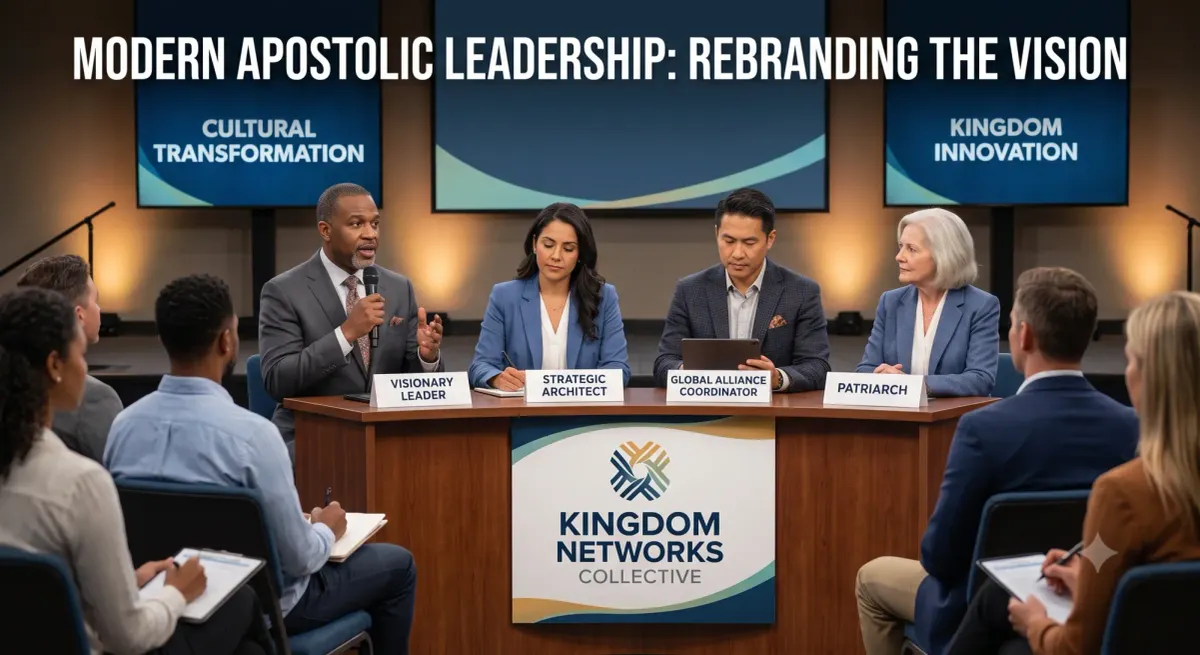
The phrase "New Apostolic Reformation" (NAR)—originally coined by church growth strategist C. Peter Wagner in the 1990s—has increasingly become a major lightning rod for public scrutiny.
As mainstream journalists, researchers, and traditional Christian theologians have exposed the movement's focus on authoritarian governance, modern-day prophets, and the dominionist Seven Mountain Mandate (the goal for Christians to control society's core institutions), NAR leaders have heavily shifted their branding.
Because the NAR was always a loose, network-based movement rather than a formal denomination with a central headquarters, leaders do not need to dissolve an organization to change their public-facing image. Instead, they "hide in plain sight" by replacing explicit NAR jargon with more palatable, mainstream corporate, political, and evangelical language.
1. Relabeling the Governing Offices
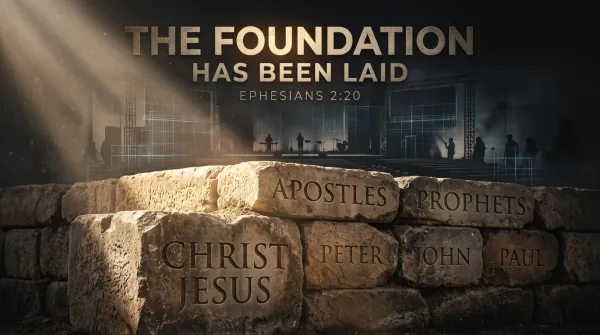
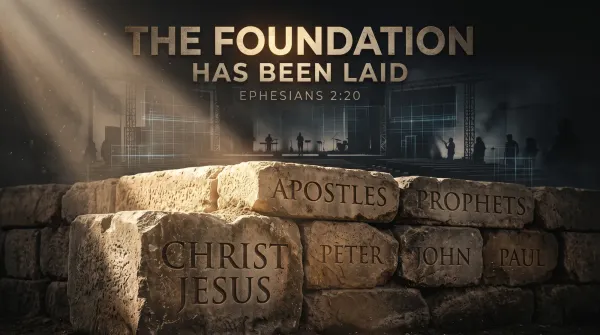
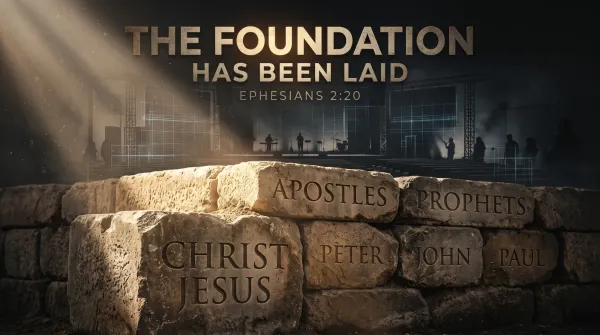
In core NAR theology, the "Five-Fold Ministry" (based on a literal interpretation of Ephesians 4:11) dictates that God has restored the offices of Apostles and Prophets to govern the modern church with absolute spiritual authority. Because secular media and traditional churches frequently criticize these titles as cult-like or megalomaniacal, leaders have shifted to alternative terminology:
- Corporate & Leadership Titles: Instead of introducing themselves as "Apostle John Doe," leaders frequently use corporate phrasing like "Visionary Leader," "Chief Executive Leader," or "Strategic Architect."
- Relational "Fathers": The title of Apostle is frequently softened to "Spiritual Father" or "Patriarch." This reframes top-down governing authority as a warm, familial relationship based on mentorship rather than strict ecclesiastical dominance.
- Network Convener: Rather than claiming to rule an "Apostolic Network," leaders now brand themselves as "Network Conveners," "Alliance Coordinators," or leaders of "Global Communities." This implies a peer-to-peer collaboration, even if the underlying pyramid-like authority structure remains intact.
2. Rebranding the "Seven Mountain Mandate"
The Seven Mountain Mandate (7M) explicitly instructs followers to conquer the seven "mountains" of societal influence: government, media, education, family, arts/entertainment, business, and religion. Because this has drawn fierce media critique as a blueprint for Christian nationalism and theocracy, the language has been thoroughly scrubbed:
- "Cultural Engagement" & "Faith in the Marketplace": Dominionist strategies are now packaged under the innocuous banners of Marketplace Ministries, Faith-Work Integration, or Cultural Engagement Initiatives.
- "Flourishing Communities" and "Transformation": Instead of using aggressive terms like "taking dominion" or "occupying a mountain," leaders use broad, civic-sounding vocabulary like "city transformation," "societal architecture," or "helping our communities flourish."
- "Reclaiming the Culture": Framed as a defensive move against secularism rather than an offensive push for control, leaders call on congregants to "bring biblical values back to the public square."
3. Shifting from "Apostolic Alignment" to "Kingdom Networks"
In the past, NAR theology heavily emphasized that local pastors and believers must "align" under a recognized apostle to receive God’s spiritual protection and blessing. Today, the phrase "Apostolic Alignment" is a massive red flag for researchers tracking spiritual abuse and high-control religious environments. To bypass this critique, leaders have replaced the word "Apostolic" with "Kingdom" or "Five-Fold."
- Churches are no longer part of an "Apostolic Network"; they are part of a "Kingdom Alignment," a "Five-Fold Collective," or a "Global Hub."
- By substituting the word "Apostle" with the broader concept of "the Kingdom," leaders can preach the exact same theological structure of absolute authority and submission while using a word that is universally accepted across traditional Christianity.
4. Denying the "NAR" Label Entirely
The most effective way NAR leaders hide in plain sight is through flat-out semantic denial. When confronted by journalists, many high-profile figures will genuinely claim, "I have never been a member of the New Apostolic Reformation."
Technically, they are not lying—because the NAR does not have a membership roster. It was a term coined by a sociologist to describe a phenomenon.
By treating "NAR" as a fictional conspiracy theory invented by critics rather than a description of their actual theology, leaders can distance themselves from the negative press while continuing to host the same conferences, preach the same dominionist goals, and operate under the exact same relational authority structures.
5. The Political Intersection: Trump as "Cyrus"
The pivot from fringe charismatic theology to mainstream political power solidified during the 2016 presidential election cycle. Prophetic leaders within the movement popularized the biblical character King Cyrus—the pagan Persian emperor who explicitly aided the ancient Israelites—as a theological model for Donald Trump.
This allowed charismatic leaders to justify supporting a politically unconventional candidate by arguing he was a "divinely chosen instrument" to break secular strongholds.
This political alliance granted the movement unprecedented proximity to the highest levels of the U.S. government, elevating figureheads into official advisory roles.
6. Weaponizing "Spiritual Warfare" in Modern Campaigns
What sets these modern apostolic leaders apart from older iterations of the Christian Right (like the Moral Majority) is their intense focus on Strategic Spiritual Warfare.
They view elections and policy debates not merely as ideological contests, but as cosmic battles against demonic territorial spirits. In recent election cycles, this theology has been fully integrated into grassroots political campaigns:
- Demonizing Political Opponents: Rather than engaging with opposing political parties as mere adversaries, their rhetoric regularly reframes secularism, progressive policies, or political rivals as being under direct demonic influence.
- Mass Mobilization Events: Large-scale prayer rallies and stadium events—frequently organized under soft names like "Revival Tours" or "Kingdom Gatherings"—are intentionally designed to mobilize voters at the hyper-local level, fusing patriotic imagery with intense religious fervor.
7. The 7M Mandate and the Legal Landscape
The Seven Mountain Mandate is no longer just a theory preached from pulpits. It has directly influenced tangible legislative strategies across various states:
- Targeting the Government & Education Mountains: The push to integrate specific religious expressions into public institutions—such as mandating the display of the Ten Commandments in public school classrooms or funding religious charter schools—mirrors the 7M strategy to reclaim the "Education" and "Government" mountains.
- Redefining Religious Liberty: Leaders use highly organized legal defense funds and political action groups to reshape the law. By framing their efforts around "protecting traditional values" or "faith in the public square," they disguise the radical underpinnings of Dominion Theology as standard constitutional advocacy.
By scrubbing their vocabulary of explicit words like "apostle," "prophet," or "dominion," these leaders are successfully integrating their ultimate goals directly into the vocabulary of mainstream conservative politics.
How to Spot the Shift
If you want to identify whether an organization or church aligns with these concepts, look past the titles on the directory. Instead, look at the governance structure
Pay attention to the leadership structure in your church: Is there a single leader claiming direct, unaccountable revelation from God?
Pay attention to what your church is focusing on: Is the focus on saving souls, or is it heavily focused on conquering societal and political institutions?
Seeing this red flag in your own congregation? Reach out to us here.
Action Steps:
- Check the Glossary: Visit our NAR Glossary to see if your church is using these redefined terms.
- Compare the Claims: Read our 10 Signs of Church Drift to see if these patterns exist in your congregation.
- Subscribe: Don't Miss a Single Reveal! The unmasking is just beginning. Join over 1,000+ watchmen who receive these deep dives directly in their inbox.
This research is 100% viewer-supported. If this article helped you, consider partnering with our mission to help us keep the lights on.