What is the NAR? A Guide to the New Apostolic Reformation
The NAR is rewriting the DNA of the modern church. From the Seven Mountain Mandate to the restoration of Apostles, learn what this movement is and how to identify it.

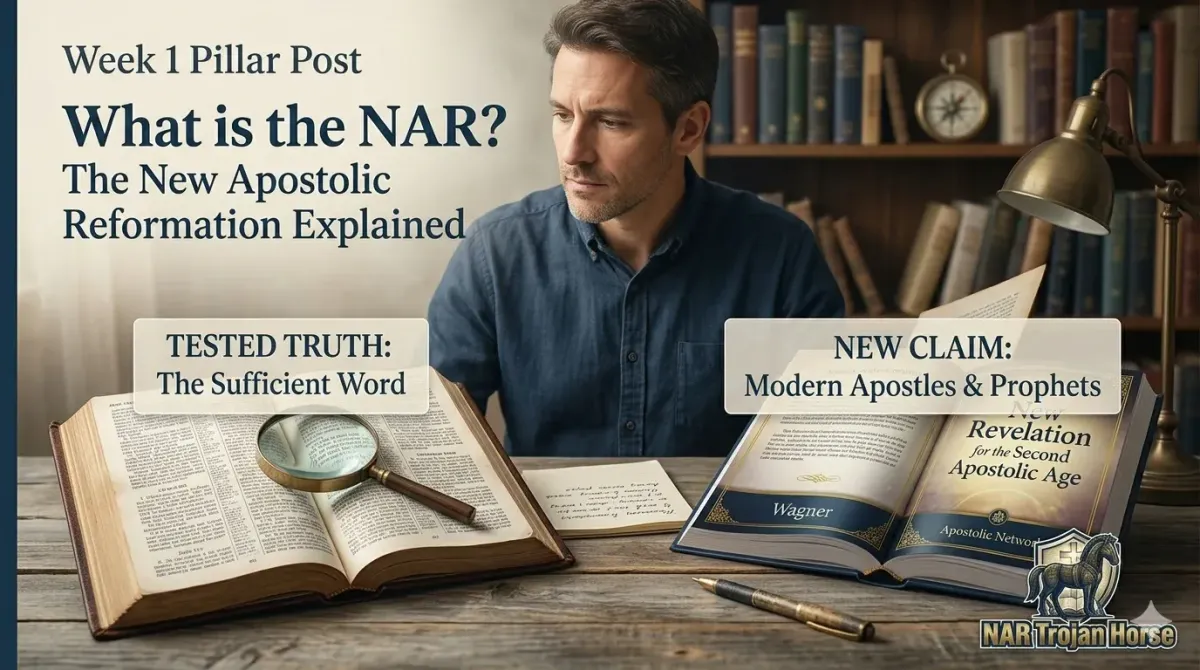
If you have noticed a shift in your church’s language lately—if your pastor is suddenly talking about "Taking the Mountains," "Apostolic Alignment," or "Releasing a Sound"—you aren't imagining things. You are witnessing the influence of the most significant, yet least understood, shift in modern Christendom: The New Apostolic Reformation (NAR).
The NAR is not a denomination. You won’t find it on a sign outside a building. It is a global, multi-denominational movement that is systematically rewriting the DNA of the local church.
In this deep-dive guide, we will explore the origins of this movement, the man who named it, the "Second Apostolic Age," and the primary reason why millions of believers are currently sitting in NAR churches without even knowing it.
1. The Architect: Who was C. Peter Wagner?
To understand the NAR, you must understand C. Peter Wagner (1930–2016). Wagner was not a wild-eyed fringe preacher; he was a highly respected professor of Church Growth at Fuller Theological Seminary.
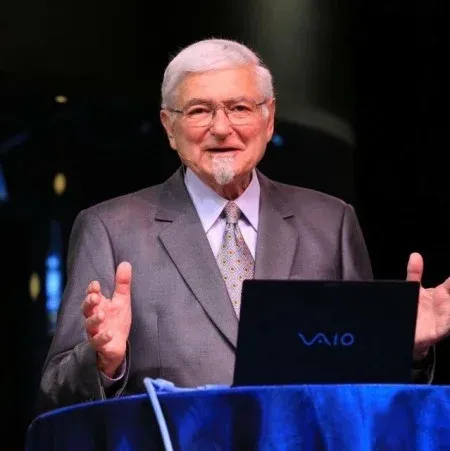
Throughout the 1980s and 90s, Wagner began to observe a trend. He saw independent, charismatic churches growing at a rate that traditional denominations could not match. He noticed that these churches weren't just "Pentecostal"—they were structured around a single, strong, charismatic leader who claimed a unique type of authority.
In 1994, Wagner gave this phenomenon a name: The New Apostolic Reformation.
Wagner didn't "invent" the theology—much of it was recycled from the 1940s Latter Rain Movement (which was widely denounced as heresy at the time)—but he provided the academic framework and the branding that allowed it to go mainstream. He believed that the church was entering a new phase of history where God was restoring the "lost" offices of Apostle and Prophet.
2. The "Second Apostolic Age"
The core claim of the NAR is that around the year 2001, the church entered what Wagner termed the "Second Apostolic Age."
According to NAR theology, for nearly 1,900 years, the church was "dysfunctional" because it lacked the governing offices of Apostle and Prophet. They claim that while pastors and teachers kept the church "stable," only Apostles have the authority to "advance" the Kingdom.
The Restoration of the Offices
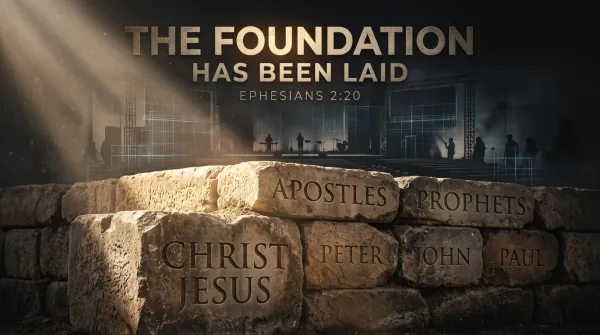
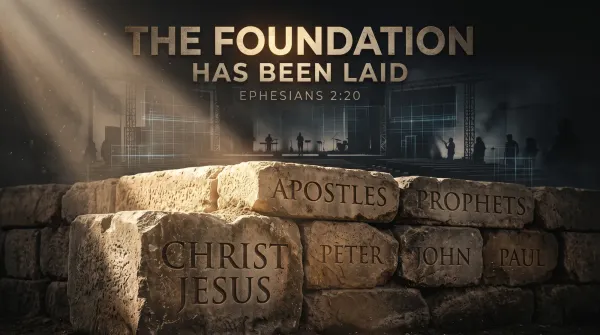
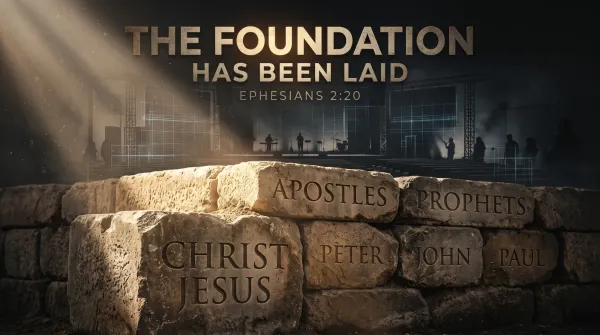
In a traditional biblical view (Ephesians 2:20), the Apostles and Prophets provided the foundation of the church, with Christ as the cornerstone. Once the foundation was laid and the New Testament canon was closed, those specific governing offices were no longer necessary.
The NAR rejects this. They argue that:
Apostles are needed today to receive "New Revelation" (Rhema) that isn't in the Bible.
- Prophets are needed to give specific, "now" instructions to the body of Christ.
- Alignment with these leaders is the only way a believer can be "covered" and successful.
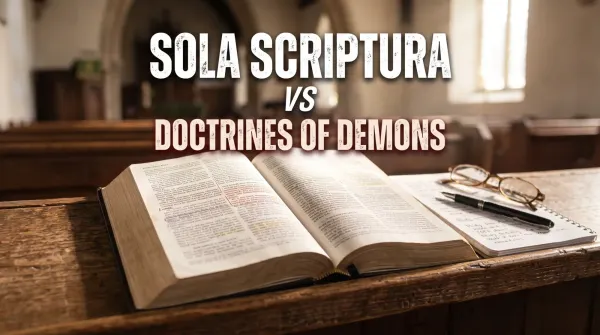
This isn't just a difference in "church government." It is a fundamental shift in Authority. In an NAR church, the final authority is no longer just the written Word of God (Sola Scriptura); it is the "word" of the Apostle.
3. The Stealth Move: Why Most Members Don't Know
This is the most dangerous aspect of the NAR: The majority of people in NAR-influenced churches have never heard the term "NAR."
If you asked a congregant at a typical "Big Box" charismatic church, "Is this an NAR church?" they would likely say no. This is due to three specific strategies used by the movement to remain "below the radar."
A. It is a Network, Not a Denomination
Traditional denominations (like Baptists or Methodists) have a clear brand. The NAR operates through relational networks. A church might be "Independent" or "Non-Denominational" on its legal paperwork, but its pastor is "aligned" with a network of Apostles in another state. The influence flows through conferences, books, and speaker circuits rather than a headquarters.
B. The Musical Trojan Horse
Music is the primary delivery system for NAR theology. Hubs like Bethel (Redding), Hillsong, and Elevation produce the songs that 90% of churches sing on Sunday mornings.
- Many pastors who don't agree with NAR theology still allow the music.
- These songs often focus on "atmospheric shifts," "fire," and "dominion" rather than the finished work of Christ on the Cross.
- Over time, the congregation's theology is rewritten by the lyrics they sing, even if the pastor never mentions C. Peter Wagner.
C. Strategic Redefinition
As we discussed in our NAR Glossary, the movement uses "Christian-ese" to mask its radical goals.
- When they say "Kingdom," they don't mean the reign of Christ in hearts; they mean the physical takeover of the government (7 Mountain Mandate).
- When they say "Honor," they don't mean biblical respect; they mean unquestioning submission to the "Apostle."
Because the words sound familiar, the average believer assumes they are hearing sound doctrine. This creates a state of Cognitive Dissonance: they feel a "check" in their spirit, but the language sounds "spiritual" enough that they dismiss their own concerns.
4. The Goal: Dominion and the Seven Mountain Mandate
Why does the NAR want this apostolic structure? To achieve Dominion.
Wagner and other NAR architects (like Lance Wallnau) popularized the Seven Mountain Mandate. This is the belief that for Jesus to return, the Church must first "occupy" and "conquer" the seven "mountains" or spheres of culture:
- Business
- Government
- Media
- Arts & Entertainment
- Education
- Family
- Religion
This shifts the mission of the church from a Rescue Mission (preaching the Gospel to save souls from a fallen world) to a Hostile Takeover (ruling over the world's systems). This is why NAR churches are increasingly political and power-focused.
5. The "Watchman’s" Conclusion: Testing the Spirits
The New Apostolic Reformation is not just "another way of doing church." It is a structural and theological departure from the "faith once delivered to the saints" (Jude 1:3).
By restoring the office of Apostle, the NAR creates a "middle-man" between the believer and Christ. By seeking "New Revelation," it renders the Bible insufficient. By seeking "Dominion," it forgets that Christ’s kingdom is "not of this world" (John 18:36).
If you find yourself in a church where the "Apostle's" vision is more important than the Bible’s verse, or where "The Atmosphere" is more important than "The Atonement," it is time to ask the hard questions.
Discernment is not about being critical; it is about being faithful. Over the next 7 weeks, we will peel back the layers of this Trojan Horse, from its occult roots to its political end-game.
Stay vigilant. The King is coming, and He is not looking for a "legislative body" to rule the world—He is looking for a Bride who has kept herself pure from the deceptions of the age.
Seeing this red flag in your own congregation? Reach out to us here.
Action Steps:
- Check the Glossary: Visit our NAR Glossary to see if your church is using these redefined terms.
- Compare the Claims: Read our 10 Signs of Church Drift to see if these patterns exist in your congregation.
- Subscribe: Don't Miss a Single Reveal! The unmasking is just beginning. Join over 1,000+ watchmen who receive these deep dives directly in their inbox.
This research is 100% viewer-supported. If this article helped you, consider partnering with our mission to help us keep the lights on.