The Seven Mountain Mandate: Modern Archetypes and the Search for Dominion
Is American politics becoming a biblical reenactment? From the "Jezebel Spirit" to the "Seven Mountain Mandate," we explore how the NAR is using ancient archetypes to seek modern dominion. Discover the theology fueling the culture war and why critics fear a new state religion is rising.

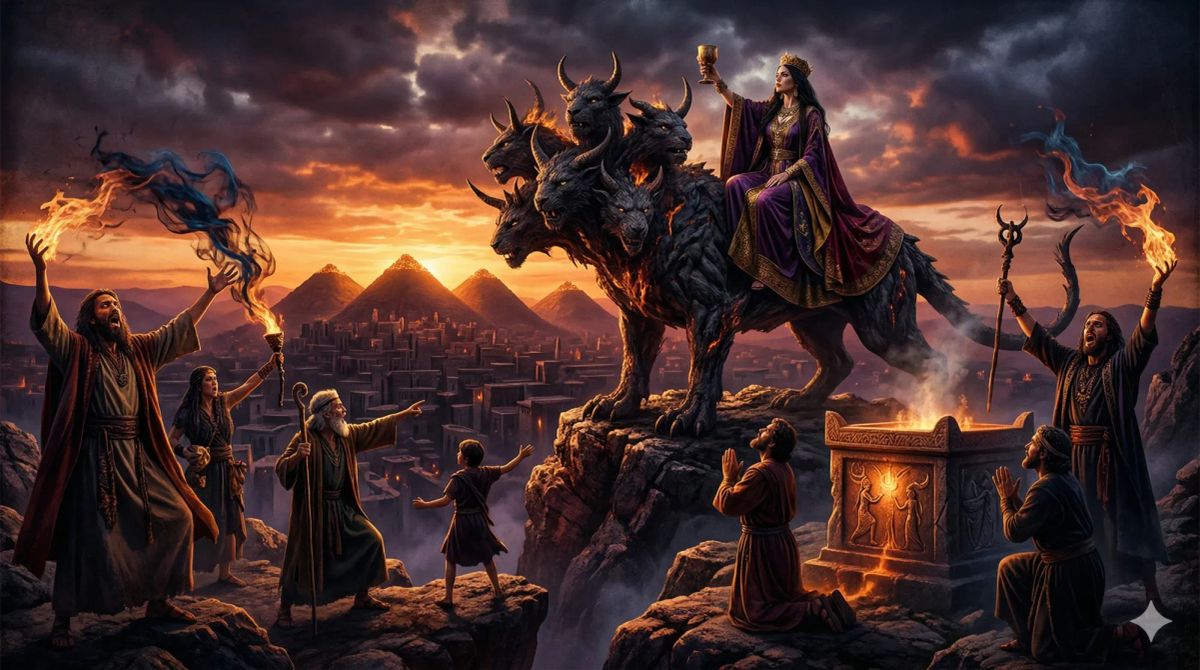
This is a subject of intense debate within both political and theological circles. Many observers and critics of the New Apostolic Reformation (NAR) and Dominion Theology use these specific biblical archetypes to describe the current American landscape.
Here is a breakdown of how these parallels are being framed by critics and theologians alike:
1. The Ahab and Jezebel Archetypes
In this comparison, the roles are often reversed depending on who is speaking.
- Donald Trump as "Ahab": Critics of the alliance between the MAGA movement and charismatic Christianity often view Trump as an Ahab figure—a secular leader who, while perhaps not personally devout, allows a highly aggressive religious faction to dictate state policy and "hunt" ideological enemies.
- The "Cyrus" Counter-Narrative: It’s worth noting that supporters (like Lance Wallnau) reject the Ahab label. They instead call Trump a "Cyrus" (the Persian King who was a pagan but "chosen by God" to restore Israel). This framing allows them to overlook personal flaws in favor of his political utility.
- Paula White as "Jezebel": To her critics, Paula White-Cain represents the "Court Prophet" or a modern Jezebel because she provides spiritual legitimacy to a secular ruler. However, within the NAR itself, the "Jezebel Spirit" is actually a term used against their opponents (such as Kamala Harris or female leaders in the opposition) to label them as "manipulative" or "witchcraft-oriented."
2. The Seven Mountain Mandate (7M)
The "Seven Mountains" represent the pillars of culture: Government, Family, Education, Business, Media, Arts/Entertainment, and Religion.
- The "Power Grab": The NAR’s goal is "Dominion"—the belief that Christians are mandated by God to take the "top" of these mountains to usher in the Kingdom of God.
- The Ahab Connection: Just as Ahab and Jezebel sought to make the worship of Baal the "state religion" of Israel, critics argue the NAR seeks to turn the US into a theocracy where their specific brand of Christianity is the governing force.
3. Revelation 17: The Whore of Babylon
The association of the New Apostolic Reformation and Revelation 17 is a common theme in "End Times" (eschatological) critiques of this movement.
- The Woman on the Beast: In Revelation, the "Whore of Babylon" is a religious system that "rides" or controls the political "Beast."
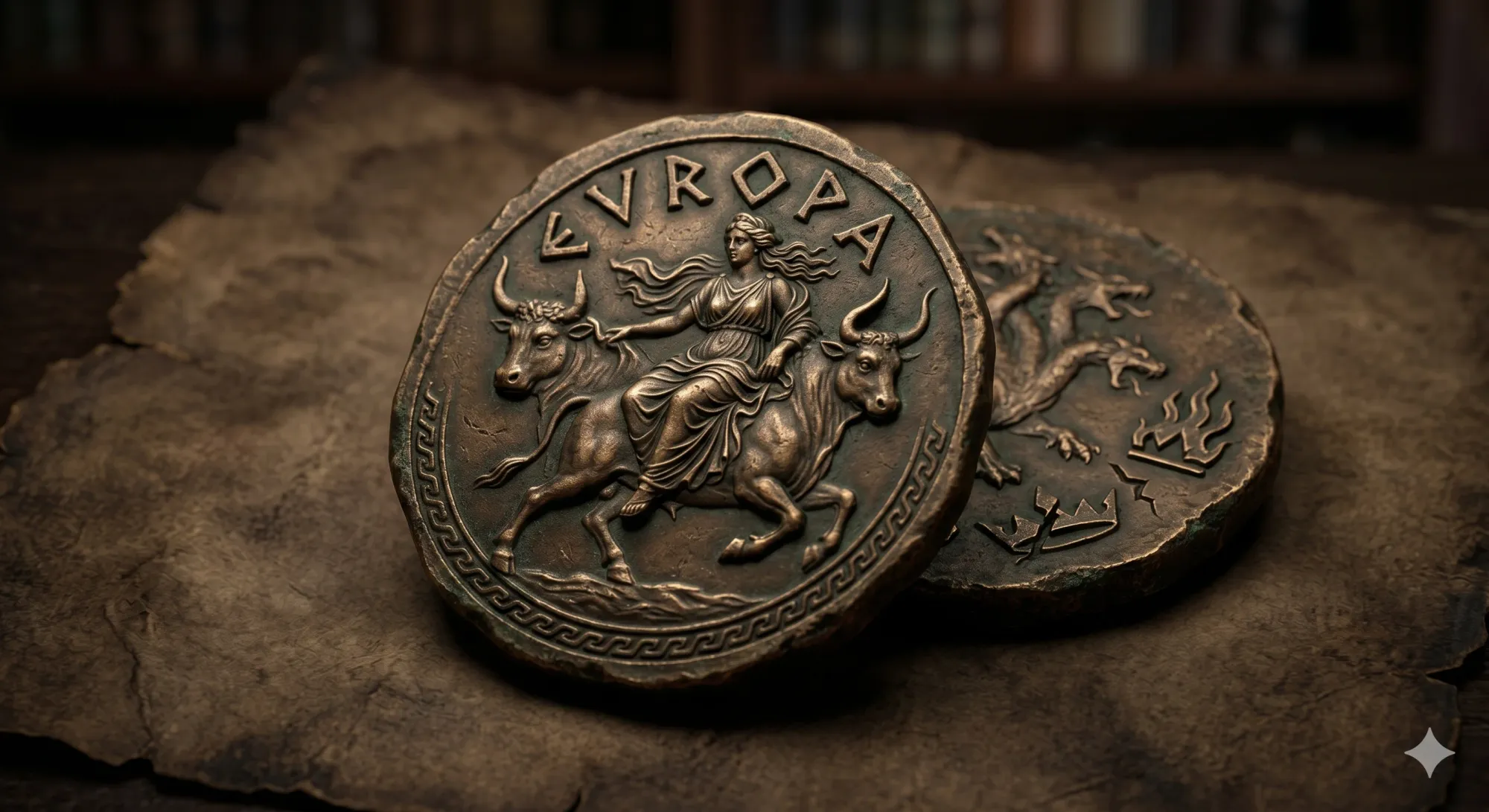
- The Theocratic Parallel: Critics argue that if a religious movement (the NAR) hitches itself to a political strongman (the Beast) to gain worldly power, they are reenacting the imagery of Revelation 17. The "Seven Hills" mentioned in verse 9 (The seven heads are seven hills) are often interpreted by NAR leaders as the "Seven Mountains of Culture" they must conquer—a massive reinterpretation of a text that traditionally referred to the seven hills of Rome. (Historically, protestant reformers, have concluded that the Roman Catholic Church is the 'Whore of Babylon' - a false church which has a symbiotic relationship with secular governments. Metaphorically, 'the Woman Rides the Beast). This concept is symbolically represented by Europa riding the bull.
Comparison Summary
| Biblical Figure | Traditional Interpretation | NAR/Modern Parallel (Critique) |
| Ahab | A weak king led by a foreign religious influence. | A secular leader who empowers religious extremists for political gain. |
| Jezebel | A queen who used state power to silence true prophets. | Leaders who use "spiritual warfare" rhetoric to delegitimize political rivals. |
| Mount Carmel | A showdown between true and false gods. | The polarized "culture war" seen as a winner-take-all spiritual battle. |
| The 7 Mountains | Historically the hills of Rome (Rev 17). | The 7 spheres of society to be "conquered" by NAR believers. |
Why it Matters
The danger many theologians see here is Syncretism—the same sin Ahab was accused of. By blending national identity, partisan politics, and charismatic prophecy, they argue the movement is creating a "State Religion" that looks more like the Phoenician court of Jezebel than the teachings of the New Testament.
Seeing this red flag in your own congregation? Reach out to us here.
Action Steps:
- Check the Glossary: Visit our NAR Glossary to see if your church is using these redefined terms.
- Compare the Claims: Read our 10 Signs of Church Drift to see if these patterns exist in your congregation.
- Subscribe: Don't Miss a Single Reveal! The unmasking is just beginning. Join over 1,000+ watchmen who receive these deep dives directly in their inbox.
This research is 100% viewer-supported. If this article helped you, consider partnering with our mission to help us keep the lights on.